


Immerse yourself in the beauty of Chichén Itzá, Mexico. Listen to the story of the ancient Maya civilization. Experience Tales of the Maya Skies.
Explore Maya science, art and mythology. Tales of the Maya Skies inspires and educates through its description of the Maya’s astronomical achievements and how astronomy connected them to the Universe.

S trap on a virtual reality (VR) headset and watch hundreds of sea turtles emerge from sand, heading toward the beach in our newest VR program, Sea Turtle Quest. This exciting program explores the life cycle of sea turtle including digging a nest, laying eggs, and returning to the sea. Through VR technology, explore a virtual science laboratory that brings the real world into the lab and teaches the process of science. Examine eggshells with a microscope, scale, and other common lab tools. Match the sea turtle tracks to the sea turtle who laid them by examining photos of turtle tracks. Learn why not all baby sea turtles survive and what you can do to protect hatchlings.
The Science in 3D program will feature Sea Turtle Quest on Tuesdays and Thursday at 1:00 pm through Labor Day. The Science in 3D program is hosted by Education Managerr Jamie Justice, who will help launch each VR adventure and answer questions about the experience. This program is not recommended for children under 8 or people who experience motion sickness.


Learn how to read the stars and interpret the winds and waves. Navigate without modern instruments. The film tells the story of the Polynesian Voyaging Society and the recovery of the nearly lost art and science of traditional, non-instrument navigation in Hawaii.

 Sea turtles are frequent visitors to the North Carolina coast, with several individuals nesting on beaches from the Outer Banks to our own Ocean Isle Beach. Starting June 1, every Thursday at 3:00 pm, learn about the species of sea turtles found on the Carolina coast, how volunteers track sea turtle nests, and what we can do to protect sea turtles in this fun, interactive program. The Sea Turtle Adventures program includes a craft for kids to take home.
Our Education Manager, Jamie Justice will present this fun, interactive program. Jamie received her Bachelor of Science in Marine Biology from Bowling Green State University and her Master of Science in Environmental Science with concentrations in Marine and Coastal Education and Coastal Management from the University of North Carolina, Wilmington.

This is a live star show. The presenter will display the night sky on the planetarium’s dome ceiling and take you on a tour, pointing out the stars, planets, and constellations that are visible in our area. Later, as you are walking along the beach on a clear night, you will be able to recognize by name the celestial sights you see.


Join this sensory experience unlike any other. Live lighting and laser effects accompany Taylor Swift hits heard through the area’s best sound system.


Curious about how to tell a venomous from a non-venomous snake? This summer, local reptile expert Matthew Bookout will teach you how to differentiate venomous from non-venomous serpents – useful knowledge to have when you come across one in your back yard. He will also share tips about caring for snakes and talk about which reptiles make the best pets. Bookout will bring several live snakes to his program each week so that you can see them up close and personal.
Matthew Bookout has been fascinated with reptiles for most of his life and acquired his first snake at 13 years old. He says, “I drove my Mom crazy with snakes and frogs running through the house after they crawled out of shoeboxes from under my bed.” With a wealth of knowledge about venomous and non-venomous snake species, Bookout wows visitors with his unique personal collection of snakes. As the local business owner of Ophidian’s Lair, he takes care of and feeds the Museum’s live venomous and non-venomous snakes.

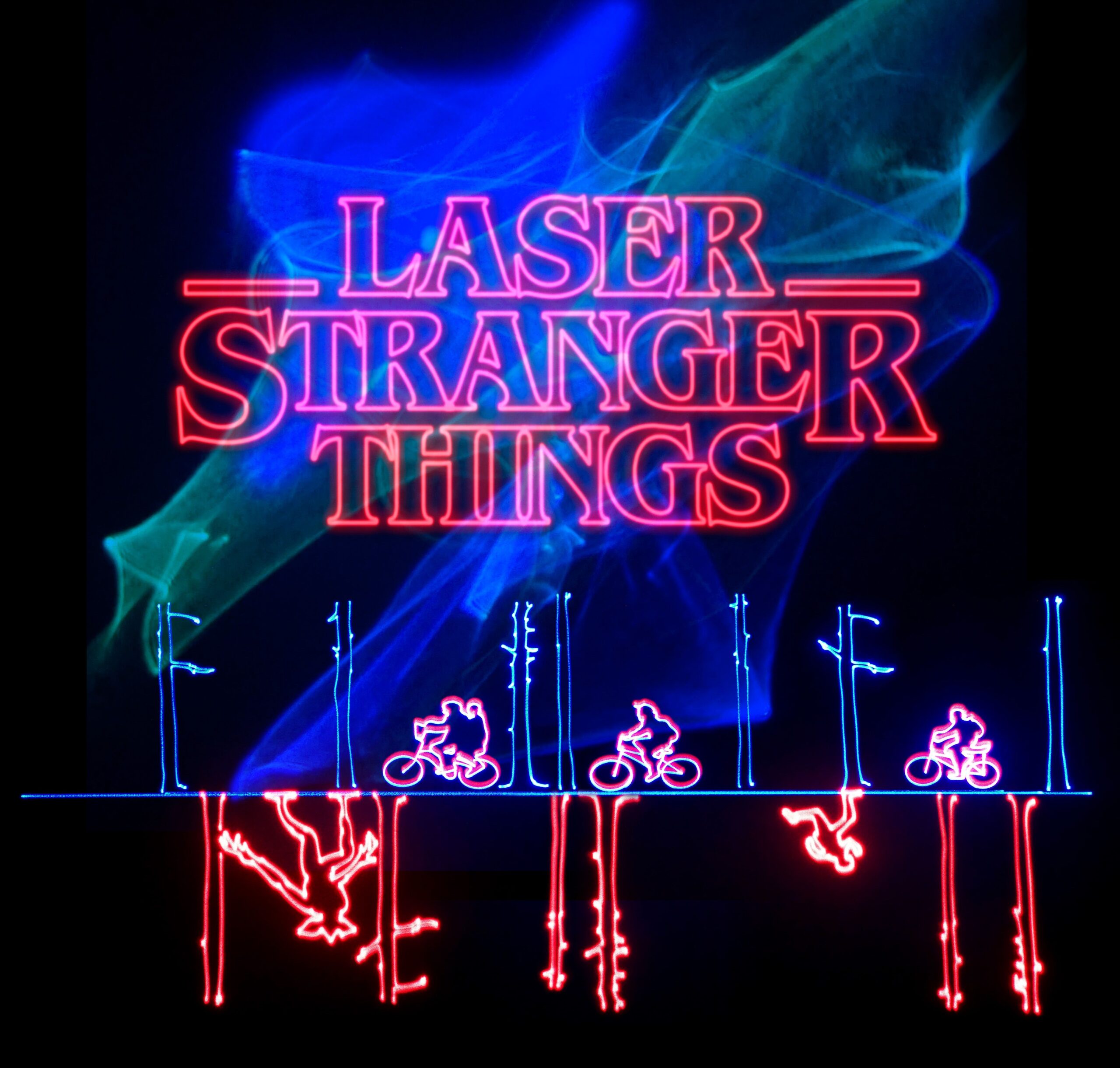
Join this sensory experience unlike any other. Live lighting and laser effects accompany classic 80s hits from the show, Stranger Things, heard through the area’s best sound system.


On summer vacation at her grandpa’s, Mia discovers a mysterious piece of astronomical machinery. Edek, Mia’s eccentric uncle, tricks the girl into using the tool’s secret powers to change the world’s seasons. She quickly realizes the consequences of what they are going to do. Edek doesn’t want to let the plan go.
 You’re invited to get up close with some of the more familiar creatures found in our ocean.
Our touch tank pool allows you to gently touch marine animals such as sea stars, sea urchins, whelks, horseshoe crabs, and hermit crabs. These animals live in a variety of habitats and have developed many ways to survive the waves and predators. Volunteers are on hand to assist and teach you about these incredible animals.
Did you know, when a sea urchin “hugs” your finger if you gently touch its spines, it’s actually checking you out: Are you food or predator? If you’re neither, the animal will just gradually release you.