


 Dinosaurs of Antarctica tells the story of a changing environment at the bottom of the world. In ancient times, dinosaurs and other prehistoric creatures roamed freely in a lush landscape. Over millions of years, geologic forces caused massive changes, completely altering the terrain. Today, the continent of Antarctica holds the evidence of that ancient world, frozen beneath its ice and snow. As the climate changes again, melting Antarctic ice is allowing scientists to discover the remains of the past—including the fossils of those distinctive dinosaurs like Cryolophosaurus and Glacialisaurus.

Explore some of the strange creatures that lived on Earth before the dinosaurs. Strap on a virtual reality headset and become immersed in this unique environment.
 This program takes a look at the amazing world of sharks and what makes them unique to other fish. Ever wonder if sharks sleep? Are they really people eaters? How many teeth do they have? We’ll delve into these questions and more in this interactive program. Topics include local shark species, basic shark anatomy, and shark smarts. It will also include a shark identification activity and time to go exploring our very own fossil pit outside the museum.
 Do you know how many species of venomous snakes call NC home? Can you tell the difference between a venomous snake and a harmless snake? Matthew Bookout can tell you anything you ever wanted to know about NC’s snakes and other reptiles. He will bring along some of his favorite live animals. His program is preceded by a live snake feeding.
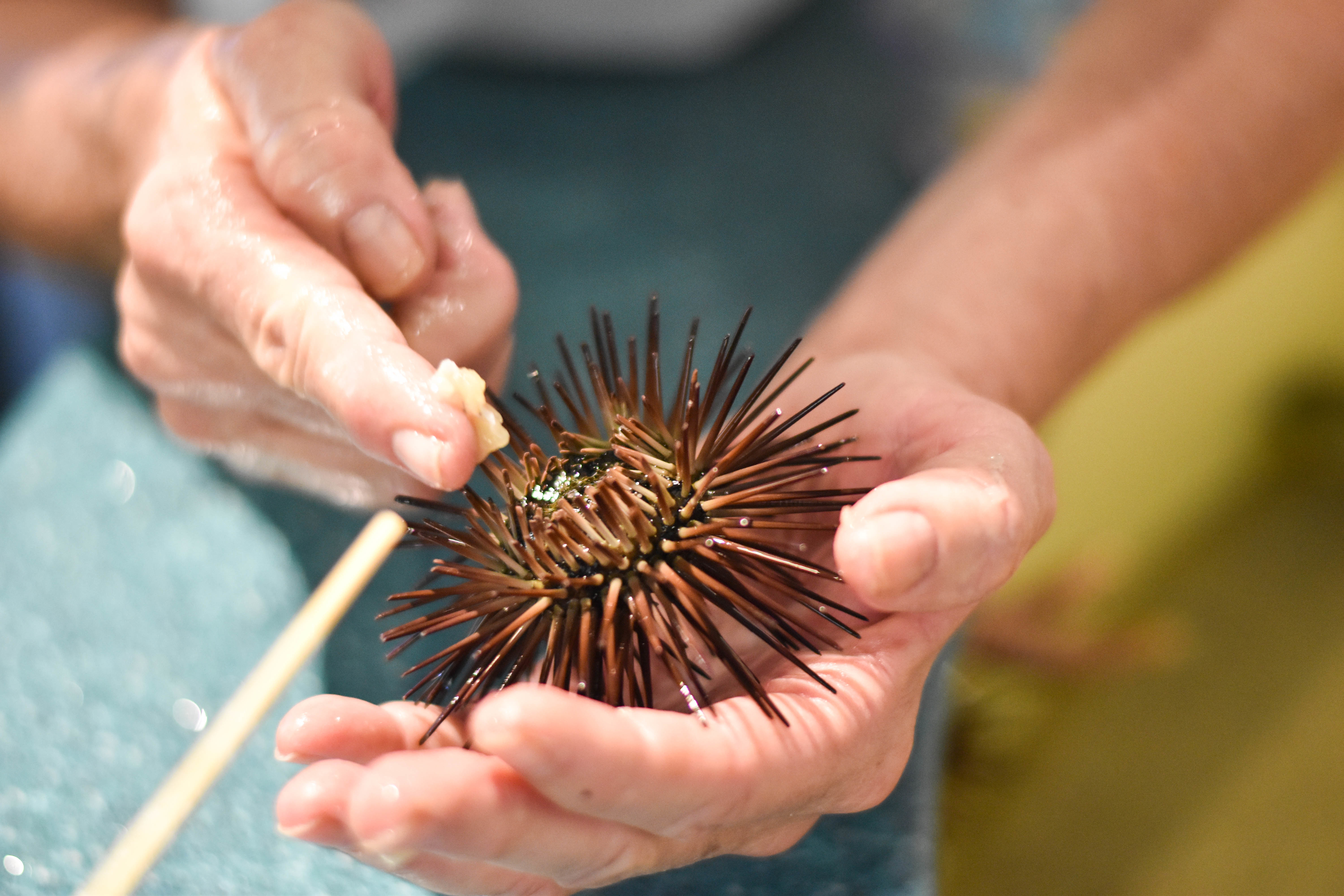 Watch museum docents feed the live animals in the museum’s Touch Tank.
Explore some of the strange creatures that lived on Earth before the dinosaurs. Strap on a virtual reality headset and become immersed in this unique environment.
Watch museum docents feed the live animals in the museum’s Touch Tank.
Explore some of the strange creatures that lived on Earth before the dinosaurs. Strap on a virtual reality headset and become immersed in this unique environment.
 This program concerns North Carolina ocean animal rescue efforts including the Sea Biscuit Wildlife Shelter and the Karen Beasley Sea Turtle Rescue and Rehabilitation Center. The program will also include a discussion of the largest marine mammal hospital in the world in California that has rescued over 25,000 sea lions and seals. All of these rescue efforts have a similar purpose: rescue, rehabilitation, and release. The program will detail why an animal needs to be rescued, how it is rescued, and what determines if and when the animal is released. The program will have a brief discussion of how the health of ocean animals is connected to the health of the ocean. The program will include an art activity for children.
 Learn more about the Museum’s exhibits in a rousing game of bingo! Bingo cards feature pictures of different exhibits in the Museum and offer the opportunity to win fun prizes. Great for kids and adults alike.