


 Dinosaurs of Antarctica tells the story of a changing environment at the bottom of the world. In ancient times, dinosaurs and other prehistoric creatures roamed freely in a lush landscape. Over millions of years, geologic forces caused massive changes, completely altering the terrain. Today, the continent of Antarctica holds the evidence of that ancient world, frozen beneath its ice and snow. As the climate changes again, melting Antarctic ice is allowing scientists to discover the remains of the past—including the fossils of those distinctive dinosaurs like Cryolophosaurus and Glacialisaurus.

Explore some of the strange creatures that lived on Earth before the dinosaurs. Strap on a virtual reality headset and become immersed in this unique environment.
 Sea turtles are frequent visitors to the North Carolina coast, with several individuals nesting on beaches from the Outer Banks to our own Ocean Isle Beach. Learn about the life cycle and different species of sea turtles, how volunteers track sea turtle nests, and what we can do to protect sea turtles in this fun, interactive program. The program will include a craft for kids to complete and the reading of a fun children’s story.

Commercial and recreational fishing are integral to the maritime history of the Lower Cape Fear. Shrimping, crabbing, oystering, menhaden, processing, and charter fishing all play an important role in the region’s history. The North Carolina Maritime Museum at Southport is currently working on a new exhibit, Nets to Plates: Commercial and Recreational Fishing. This exhibit will examine the environmental, cultural, and social aspects of the industry. Not only will the exhibit share where your food comes from and how it is caught, but other ways fish are used in everyday products from animal food and cosmetics. Learn about the people who harvest and process the catch and the social and environmental challenges they face every day.
Lori Sanderlin earned her B.A. in History at the University of North Carolina at Wilmington and her M.S. in Maritime and Naval Studies and the State University of New York Maritime College. She has worked for the NC Maritime Museum System for 12 years and has been the manager of the NC Maritime Museum at Southport for 3 years. Her interests are the Maritime Studies and the American Civil War, commercial fishing, and helping educate others on being good stewards to our maritime environment.
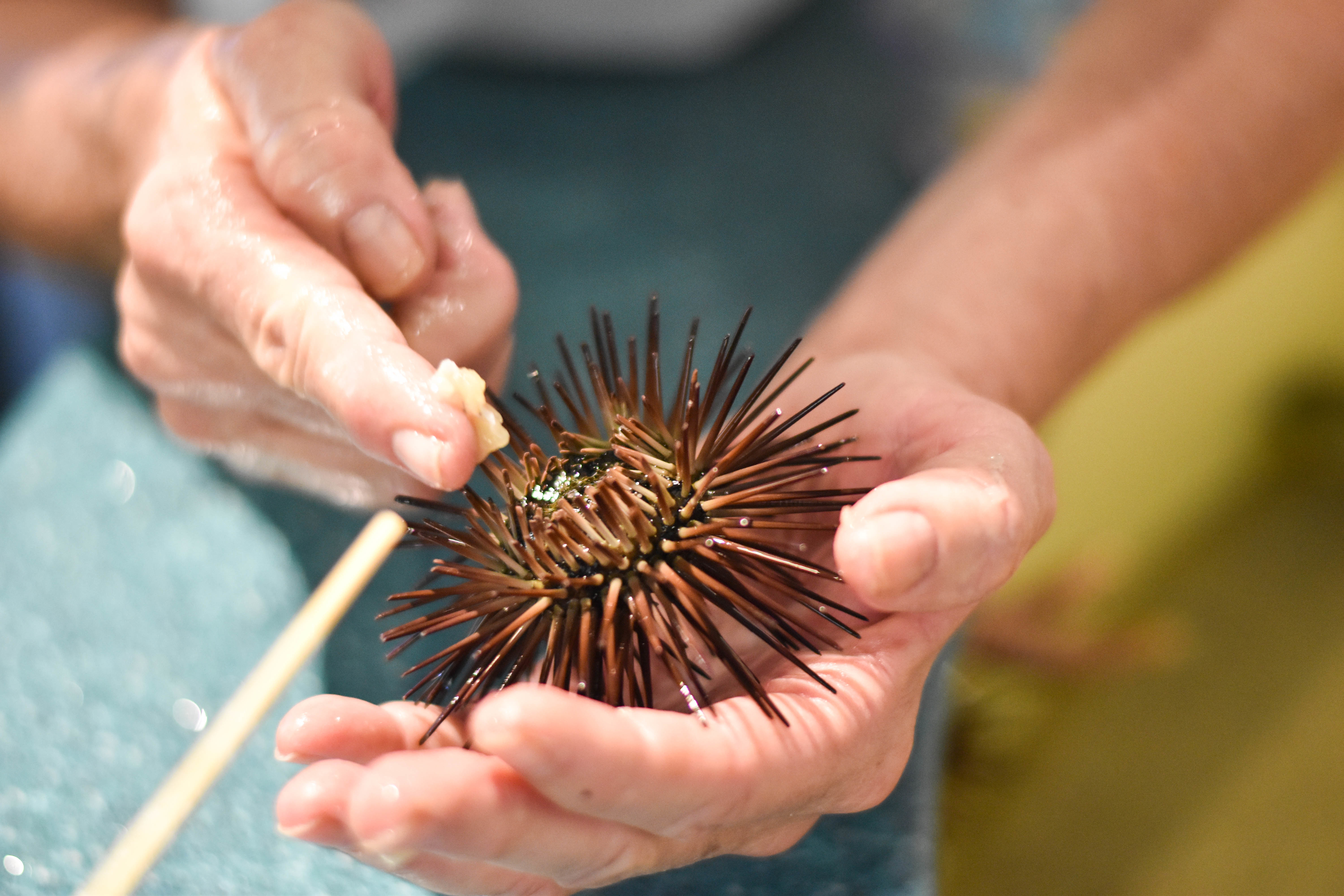 Watch museum docents feed the live animals in the museum’s Touch Tank.
Explore some of the strange creatures that lived on Earth before the dinosaurs. Strap on a virtual reality headset and become immersed in this unique environment.
 If they’re not off fighting a fire, and if the weather cooperates, members of the Ocean Isle Beach Fire & Rescue will bring some of their expertise and lifesaving equipment to the museum’s parking lot. This is always a favorite with the kids, who get to climb on a real fire engine, ask questions, and engage in some fun interactive experiences.

This is a fun and educational program for all children. Kids can test their ocean IQ and learn about the marine animals that live in the ocean. Safety while at the beach or near or in the water will also be discussed — for example, the seven safety rules, such as what to do when swimming alone, how to help someone in the water, etc. Children will safely assist in teaching the program and will receive a sea bottle craft to take home.
Dinosaurs of Antarctica tells the story of a changing environment at the bottom of the world. In ancient times, dinosaurs and other prehistoric creatures roamed freely in a lush landscape. Over millions of years, geologic forces caused massive changes, completely altering the terrain. Today, the continent of Antarctica holds the evidence of that ancient world, frozen beneath its ice and snow. As the climate changes again, melting Antarctic ice is allowing scientists to discover the remains of the past—including the fossils of those distinctive dinosaurs like Cryolophosaurus and Glacialisaurus.
Explore some of the strange creatures that lived on Earth before the dinosaurs. Strap on a virtual reality headset and become immersed in this unique environment.