


 Follow the animated adventures of Cy, Annie, and their dog Armstrong as they embark on an unexpected journey into space! Explore the Earth, Sun, and Moon with a wise-cracking spaceship computer. See an asteroid crash into the Moon. Bounce along on the lunar surface. Get up close and personal with a solar storm. Gain a new appreciation of our home planet. The Accidental Astronauts is a space adventure for all ages but is especially appropriate for young space explorers.
 You’re invited to get up close with some of the more familiar creatures found in our ocean.
Our touch tank pool allows you to gently touch marine animals such as sea stars, sea urchins, whelks, horseshoe crabs, and hermit crabs. These animals live in a variety of habitats and have developed many ways to survive the waves and predators. Volunteers are on hand to assist and teach you about these incredible animals.
Did you know, when a sea urchin “hugs” your finger if you gently touch its spines, it’s actually checking you out: Are you food or predator? If you’re neither, the animal will just gradually release you.
 Big Astronomy: People, Places, Discoveries, takes you on a journey to three world-class observatories in Chile’s rugged Andes Mountains and arid Atacama Desert— remote, extreme regions that happen to have the perfect conditions for astronomical research. Along the way, you’ll meet an inspiring cast of astronomers, engineers, technicians, and support staff who keep these mega-machines running.
 Immerse yourself in the beauty of Chichén Itzá, Mexico, and listen to the story of the ancient Maya civilization. Experience Tales of the Maya Skies. With unprecedented realism Tales of the Maya Skies immerses us in Maya science, art and mythology, using full dome digital technology to transport us back into the world of the Maya. Tales of the Maya Skies inspires and educates through its description of the Maya’s accurate astronomical achievements and how astronomy connected them to the Universe.
 Are there more worlds beyond Pluto? What might such a world be like? Planet Nine tells a tale of the search for another world hidden in the darkness. Planet Nine follows planetary scientist/explorer Mike Brown and his team at CalTech as they uncover new worlds such as the remarkably bright Eris; tumbling Haumea, an egg-shaped object rotating incredibly fast; and Sedna, whose orbit takes it deep into the far reaches of the Solar System. Is there a new planet beyond even these distant objects?


Michael Jackson’s amazing musical career is chronicled in this laser tribute to the The King of Pop. Join this sensory experience as live lighting and laser effects accompany MJ’s classic hits heard through the area’s best sound system.

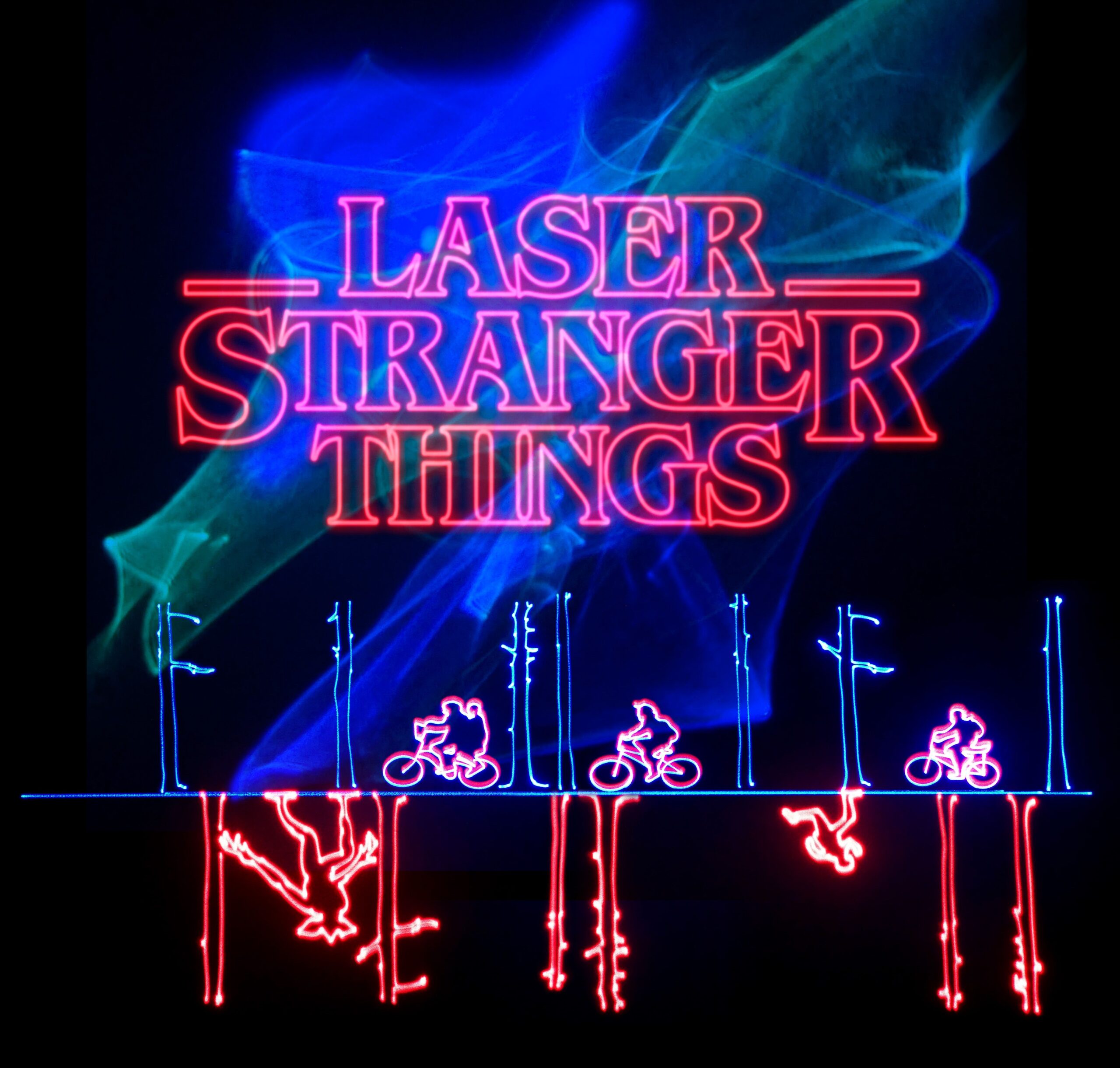 Fans can’t get enough of the retro vibe of the hit series “Stranger Things”. Take a trip through the upside-down in the safety of the dome. Experience 80’s tunes and soundscapes from the show, reinterpreted in vibrant laser light. Join this sensory experience unlike any other as LIVE lighting and laser effects accompany classic hits heard through the area’s best sound system!


Families are invited to come to the Museum of Coastal Carolina for our first ever “Creepy Coastal Crawl” Saturday, October 29, from 10:00 am to 4:00 pm. Visitors will get to tour the museum and learn about creepy critters that can be found along the coast from the coastal plain to the deep sea. Six of our galleries will have hands-on activities featuring creepy critters from different local habitats.
Local businesses will sponsor stations with bags of treats children can collect as they learn about sharks, snakes, horseshoe crabs, bugs, and more as they wander throughout the museum. Children are encouraged to wear Halloween costumes bring their own trick-or-treat bags.
Follow the animated adventures of Cy, Annie, and their dog Armstrong as they embark on an unexpected journey into space! Explore the Earth, Sun, and Moon with a wise-cracking spaceship computer. See an asteroid crash into the Moon. Bounce along on the lunar surface. Get up close and personal with a solar storm. Gain a new appreciation of our home planet. The Accidental Astronauts is a space adventure for all ages but is especially appropriate for young space explorers.
Big Astronomy: People, Places, Discoveries, takes you on a journey to three world-class observatories in Chile’s rugged Andes Mountains and arid Atacama Desert— remote, extreme regions that happen to have the perfect conditions for astronomical research. Along the way, you’ll meet an inspiring cast of astronomers, engineers, technicians, and support staff who keep these mega-machines running.